
Storing clothes for a long time sounds simple, but doing it the wrong way can ruin your favorite pieces. Fabric damage, yellow stains, mold, and unpleasant odors are common problems when clothes are packed without proper care. If you are moving house, downsizing, traveling abroad, or storing seasonal clothing, knowing how to store clothes long term makes a real difference.
At Man Van By Way, we often help people during moves and long-term storage situations, and we see the same mistakes again and again. This guide explains the right way to prepare, pack, and store clothing so it stays clean, fresh, and wearable even after years.
Why Proper Long-Term Clothing Storage Matters
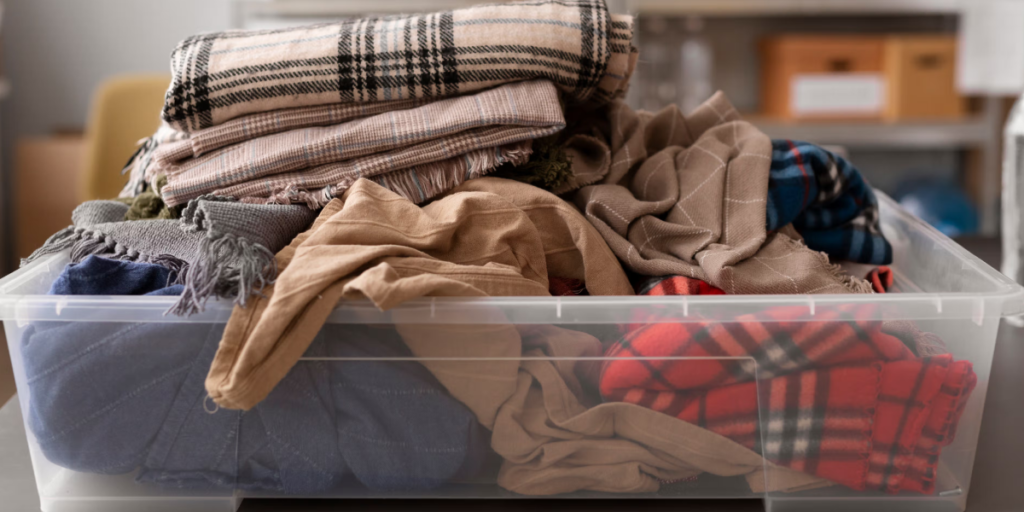
Clothes are sensitive to moisture, light, air, and pests. Even expensive garments can be permanently damaged if stored carelessly. Cotton can develop mildew, wool can attract insects, and synthetic fabrics can trap odors.
Long-term storage is not just about saving space. It is about protecting value, comfort, and memories. Wedding outfits, winter coats, formal wear, and cultural clothing often need extra care because replacing them is costly or impossible.
Step One: Clean Clothes Before Storage
Never store dirty clothes, even if they look clean. Sweat, body oils, perfume, and food particles attract insects and cause stains to darken over time.
Wash or dry-clean every item before packing. Follow the care label carefully, especially for delicate fabrics. Make sure clothes are completely dry before storage. Even a small amount of moisture can lead to mold growth in sealed containers.
Avoid using heavy perfume or scented sprays before storage. These smells can turn unpleasant after long periods.
Step Two: Sort Clothes by Fabric Type
Different fabrics need different storage methods. Mixing them can cause damage. Cotton and linen breathe well but are sensitive to moisture. Wool needs protection from insects. Silk requires gentle handling and airflow. Synthetic fabrics can trap heat and odors if sealed too tightly.
Sorting clothes by fabric helps you choose the right storage container and method for each group.
Step Three: Choose the Right Storage Containers
The container you choose is just as important as how you fold or hang your clothes. Poor-quality boxes can invite moisture and pests.
Plastic bins with tight-fitting lids are ideal for most long-term storage. Choose clear bins so you can see what’s inside without opening them. Acid-free cardboard boxes are acceptable for short-term use but not ideal for years of storage.
Avoid using ordinary garbage bags. They trap moisture and can break down over time, damaging clothes.
Best Storage Options by Clothing Type
| Clothing Type | Recommended Storage Method | Reason |
| Everyday cotton clothes | Plastic bins with silica gel | Prevents moisture damage |
| Wool sweaters | Folded with cedar blocks | Protects from insects |
| Formal suits | Breathable garment bags | Maintains shape |
| Silk clothing | Acid-free tissue wrap | Prevents creasing |
| Seasonal wear | Vacuum bags (limited use) | Saves space |
Step Four: Fold or Hang the Right Way
Folding is better than hanging for most long-term storage. Hanging clothes for years can stretch fabric, especially knits and heavy garments.
Fold clothes neatly without sharp creases. Place acid-free tissue paper between layers for delicate items. For hanging items like suits or dresses, use padded hangers and breathable garment covers, never plastic covers.
Avoid overpacking containers. Tight packing causes wrinkles and restricts airflow.
Step Five: Protect Clothes from Moisture and Pests
Moisture is the biggest enemy of stored clothes. Always store clothing in a dry, cool place away from direct sunlight.
Use silica gel packets or moisture absorbers inside containers. For pest protection, cedar blocks or lavender sachets work well. Avoid mothballs, as they contain harsh chemicals and leave strong odors that are hard to remove.
Check storage areas occasionally if possible, especially during humid seasons.
Step Six: Choose the Right Storage Location
Where you store clothes matters more than people think. Basements, attics, and garages are risky because of temperature changes and humidity.
A climate-controlled storage unit is the safest option for long-term clothing storage. If you are moving or need professional help, Man Van By Way can assist with secure transport and guidance on choosing suitable storage solutions.
Avoid placing containers directly on the floor. Use shelves or pallets to prevent moisture absorption.
Step Seven: Label and Organize Everything
Clear labeling saves time and prevents unnecessary handling. Write down the contents and fabric type on each box. This helps you open only what you need and reduces exposure to air and moisture.
Keep a simple list of stored items, especially if you are storing clothes in multiple locations.
Common Mistakes to Avoid

One common mistake is storing clothes without cleaning them. Another is using vacuum bags for delicate or natural fabrics for very long periods, which can permanently crease fibers.
People also forget to protect clothes from light. Even indirect sunlight can fade colors over time.
Finally, storing clothes in damp rooms is a mistake that often leads to irreversible damage.
How Long Can Clothes Be Stored Safely?
When stored properly, clothes can last many years without damage. Natural fabrics like cotton and wool can stay in good condition for five to ten years or more. Delicate fabrics need occasional inspection if stored long term.
The key is proper preparation, correct containers, and a stable storage environment.
Final Thoughts
Learning how to store clothes long term is not difficult, but it requires attention to detail. Clean clothes, proper containers, moisture control, and the right storage location make all the difference.
Whether you are moving, renovating, or simply freeing up space, taking the time to store your clothes correctly protects your investment and keeps your wardrobe ready for the future.
If you need reliable moving support or guidance during long-term storage planning, Man Van By Way is always ready to help make the process smooth and stress-free.