
If you want to store your clothes for a long time, you have to perform properly. The guide explains how to store clothes long-term in a safe and effective way. It covers why proper clothing storage is important, how to prepare garments before packing, which containers are best for different fabrics, how to protect clothes from moisture and insects, and where they should be stored for maximum preservation. You will also learn about common storage mistakes, fabric-specific care techniques, and how to maintain clothes during extended storage periods. Whether you are moving, downsizing, or simply storing seasonal garments, this article provides practical steps to keep your clothes fresh and damage-free for months or even years.
Why Long-Term Clothing Storage Requires Proper Planning
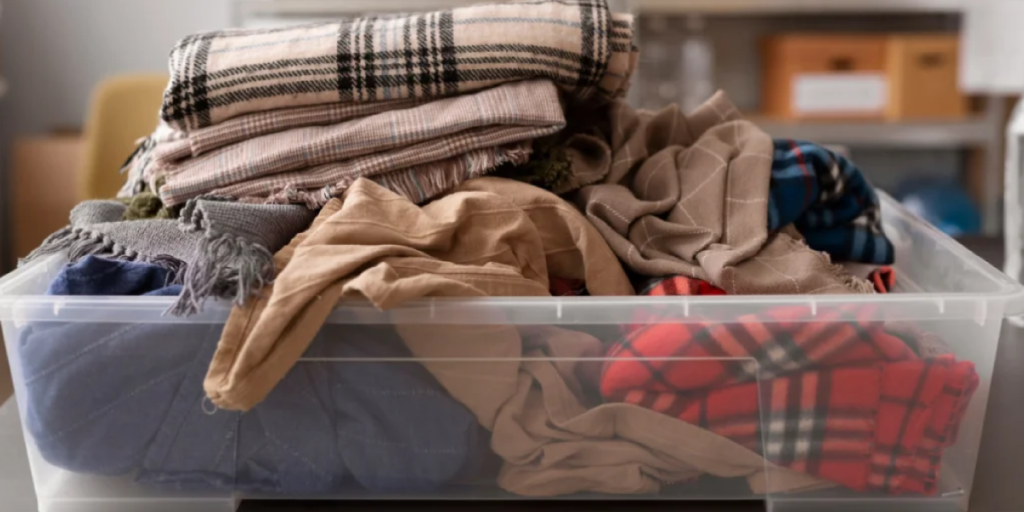
Clothing may seem durable, but fabric is highly sensitive to environmental conditions. Temperature changes, humidity, light exposure, and even air quality can slowly damage garments. When clothes are stored improperly, problems such as mold growth, yellow stains, fading colors, fabric weakening, and unpleasant odors can appear over time.
Long-term storage is very different from simply putting clothes away for a few weeks. When garments remain packed for months or years, even small mistakes can lead to permanent damage. That is why preparation and attention to detail matter. Proper storage protects not only the appearance of your clothes but also their structure and value.
If you are preparing for relocation or placing belongings into storage during a move, careful packing becomes even more important. Many people move their household items with services like man van by Easy Way take extra care to protect clothing before transport to ensure everything arrives in perfect condition.
Step One: Clean Every Garment Thoroughly
The most important rule in long-term clothing storage is simple: never store dirty clothes. Even if a garment appears clean, invisible stains from sweat, body oils, deodorant, or food residue may still be present. Over time, these substances oxidize and create yellow or brown marks that are extremely difficult to remove.
Wash or dry-clean all garments according to the care label instructions. After washing, allow clothes to dry completely. Even a small amount of trapped moisture can create the perfect environment for mildew growth. Mold damage often begins silently inside sealed containers and may not be noticed until it is too late.
Taking the time to clean and fully dry clothing before packing is the foundation of successful long-term storage.
Step Two: Sort by Fabric and Garment Type
Different fabrics respond differently to storage conditions. Natural fibers such as cotton, wool, linen, and silk are breathable but more vulnerable to insects and humidity. Wool, in particular, is attractive to moths. These materials benefit from breathable storage solutions and natural pest protection.
Synthetic fabrics such as polyester and nylon are generally more resistant to pests but can still be affected by heat and prolonged compression. Delicate items like wedding dresses, formal suits, embroidered garments, or sentimental clothing require extra care. Placing acid-free tissue paper between folds helps reduce stress on fibers and prevents deep creasing.
Sorting clothes before packing allows you to choose the most suitable storage method for each category rather than treating everything the same way.
Step Three: Choose Suitable Storage Containers
The container you select plays a major role in protecting your clothes. Plastic storage bins with secure lids are widely recommended for long-term storage. They shield garments from dust, pests, and external moisture. Clear bins also make identification easier without reopening every box.
However, bins must be clean and fully dry before use. Any trapped moisture inside can cause serious problems. Avoid using cardboard boxes for extended storage because they absorb humidity and can attract insects.
Vacuum-sealed bags are popular because they save space, but they are not ideal for delicate fabrics or very long storage periods. Compression can weaken fibers and cause permanent creases. For structured garments like coats and suits, breathable garment bags combined with sturdy hangers provide better protection.
When clothes are being transported before storage, such as during a house move arranged through man van by Easy Way, durable and sealed containers help protect garments from dust and accidental spills during transit.
Step Four: Control Humidity and Temperature
Humidity is one of the biggest enemies of stored clothing. Excess moisture encourages mold, mildew, and unpleasant odors. Even if your storage area feels dry, seasonal changes can increase humidity levels without you realizing it.
Adding moisture absorbers or silica gel packets inside storage containers provides extra protection. Cedar blocks can also help regulate moisture while deterring insects. The ideal storage environment is cool, dry, and dark, with a stable temperature throughout the year.
Avoid storing clothes in damp basements, hot attics, or garages where the temperature fluctuates dramatically. Heat accelerates fabric breakdown, while sunlight causes fading and discoloration.
Step Five: Protect Against Insects
Insects, especially moths, can silently destroy natural fibers. Prevention begins with cleanliness. Washed garments are far less attractive to pests.
Natural deterrents such as cedar wood blocks or lavender sachets are safer alternatives to chemical mothballs. They help discourage insects without leaving harsh odors on clothing. Airtight containers also reduce the risk of infestation.
Checking stored garments periodically ensures early detection of any issues. A quick inspection every few months can prevent serious damage.
Step Six: Fold and Pack Carefully
Proper folding reduces long-term stress on fabric. Avoid sharp creases when folding clothes. For delicate garments, inserting acid-free tissue paper between folds softens pressure points and prevents deep lines.
Do not overfill storage containers. Clothes need a small amount of space to maintain their shape. Overpacking increases wrinkles and may strain fibers over time.
When hanging garments, use padded or wide hangers that properly support shoulders. Thin metal hangers can distort shape and cause stretching. Taking care during packing ensures clothes look fresh when unpacked, even after years.
Step Seven: Choose the Right Storage Location
Location is just as important as packing technique. A cool, dark, indoor space is ideal. Bedrooms, interior closets, or climate-controlled storage units provide better conditions than garages or outdoor sheds.
If you are downsizing or temporarily relocating, working with a reliable moving service like man van by Easy Way can help ensure your carefully packed garments are transported safely to an appropriate storage location.
Stable environmental conditions are key to preserving color, texture, and overall garment quality.
Step Eight: Label and Maintain Organization
When clothes are stored long-term, organization becomes essential. Clearly label each container with the contents and storage date. This reduces unnecessary unpacking and minimizes disturbance to carefully folded garments.
Keeping a simple inventory list can also be helpful, especially if multiple containers are involved. Organized storage saves time and prevents accidental mishandling later.
Common Mistakes to Avoid

Many clothing storage problems happen because of simple oversights. Storing unwashed clothes, sealing slightly damp garments, using cardboard boxes, exposing containers to direct sunlight, or packing items too tightly are common errors. Ignoring humidity levels is another frequent mistake that leads to mold damage.
Avoiding these mistakes significantly increases the chances that your clothes will remain in excellent condition.
Final Thoughts
Learning how to store clothes long term properly requires preparation, patience, and attention to detail. Clean garments thoroughly, select appropriate containers, control moisture levels, protect against insects, and store everything in a stable environment. Small preventive steps today can protect your wardrobe for years.
Whether you are storing seasonal items, preserving sentimental pieces, or preparing for a move, careful handling makes all the difference. With the right approach, your clothes will remain fresh, protected, and ready to wear whenever you need them again.
Frequently Asked Questions (FAQs)
1. How do you store clothes long term without mold?
To prevent mold, wash and fully dry all clothes before storing them. Use airtight plastic bins with moisture absorbers and keep them in a cool, dry environment.
2. Is it better to fold or hang clothes for long-term storage?
Fold sweaters and knitwear to prevent stretching, while structured items like suits and coats should be hung on padded hangers inside breathable garment bags.
3. Are vacuum-sealed bags good for long-term storage?
Vacuum bags are useful for saving space, but they are not ideal for delicate fabrics or very long storage because compression can weaken fibers over time.
4. What type of container is best for storing clothes long term?
Plastic storage bins with secure lids are usually the best option, as they protect against dust, moisture, and insects when kept clean and dry.
5. How can I protect clothes from moth damage?
Always store clean garments and use natural deterrents like cedar blocks or lavender sachets to reduce the risk of moth infestation.
6. Where should clothes be stored for extended periods?
Choose a cool, dark, and dry indoor space with stable temperature, avoiding damp basements or hot attics.
7. How often should stored clothes be checked?
It is recommended to inspect stored garments every three to six months to ensure there are no signs of moisture or pests.